 Smart Kitchens: How Technology is Transforming Cooking
The modern kitchen has evolved far beyond its traditional purpose. What was once a space dedicated simply to meal preparation has now become a digitally enhanced, highly efficient, and intuitively designed hub that supports healthier living, better time management, and elevated lifestyle experiences. Smart kitchens, powered by intelligent appliances, innovative design, and seamless connectivity, are reshaping the way we cook, store, plan, and interact with our homes.
In this blog, we explore how technology is revolutionising the heart of the home and why smart kitchens are becoming an essential part of contemporary living.
1. Smart Appliances: Enhancing Convenience & Control
One of the most significant advancements in today’s kitchen is the rise of smart appliances. These devices combine functionality with automation, making everyday tasks more efficient.
Key Highlights:
Smart Refrigerators now come with touchscreens, internal cameras, and app connectivity. You can check what’s inside your fridge while shopping, get expiry alerts, or let the appliance suggest recipes based on available ingredients.
AI-enabled Ovens & Microwaves can automatically adjust temperature and cooking time. Some even identify the food placed inside and select the ideal setting on their own.
App-Controlled Dishwashers allow users to schedule cycles, check water consumption, and receive maintenance reminders.
These innovations not only save time but also ensure consistency, safety, and precision in cooking.
2. Voice Assistants: Hands-Free, Smarter Interactions
Voice technology has transformed how we manage our cooking experiences. Virtual assistants like Alexa, Google Assistant, or Siri can integrate seamlessly with smart appliances and lighting systems, enabling hands-free convenience.
Examples of Voice Commands in Smart Kitchens:
“Preheat the oven to 180°C.”
“Turn on the chimney.”
“Set a 10-minute timer.”
“Add milk to my grocery list.”
This integration allows users to multitask effortlessly while maintaining a clean, hygienic workflow, especially valuable when hands are busy with food preparation.
3. Intelligent Storage & Organisation
Smart kitchens extend beyond appliances. Modern kitchen systems use sensors, hardware innovation, and data-driven design to optimize storage and workflow.
Key Features:
Sensor-based drawers that open with a gentle touch even when your hands are full.
Smart pantry systems that track inventory levels and notify you when essentials are running low.
Optimized cabinet layouts designed to reduce movement and create ergonomic workflows, making cooking more intuitive and efficient.
These thoughtful features ensure that everything you need is always within reach, enhancing both efficiency and comfort.
4. Energy Efficiency & Sustainable Technology
As sustainability becomes a priority for homeowners, smart kitchens lead the way with eco-conscious innovations.
Energy-Efficient Technologies Include:
Induction cooktops that minimise heat loss.
AI-powered appliances that optimize electricity and water usage.
LED smart lighting that adjusts brightness based on time of day or user activity.
The result is a kitchen that not only performs better but also reduces the environmental footprint and operational costs.
5. Safety Upgrades with Smart Sensors
A modern kitchen is not complete without safety-focused technology. Smart systems today can prevent risks, detect issues early, and even alert homeowners in real-time.
Advanced Safety Features:
Gas leak detectors that trigger alarms and send notifications directly to your phone.
Smart smoke detectors that differentiate between types of smoke and reduce false alarms.
Water leak sensors near sinks and dishwashers to prevent damage before it occurs.
These features add peace of mind especially for busy households or elderly family members.
6. Smart Design: Blending Aesthetics with Functionality
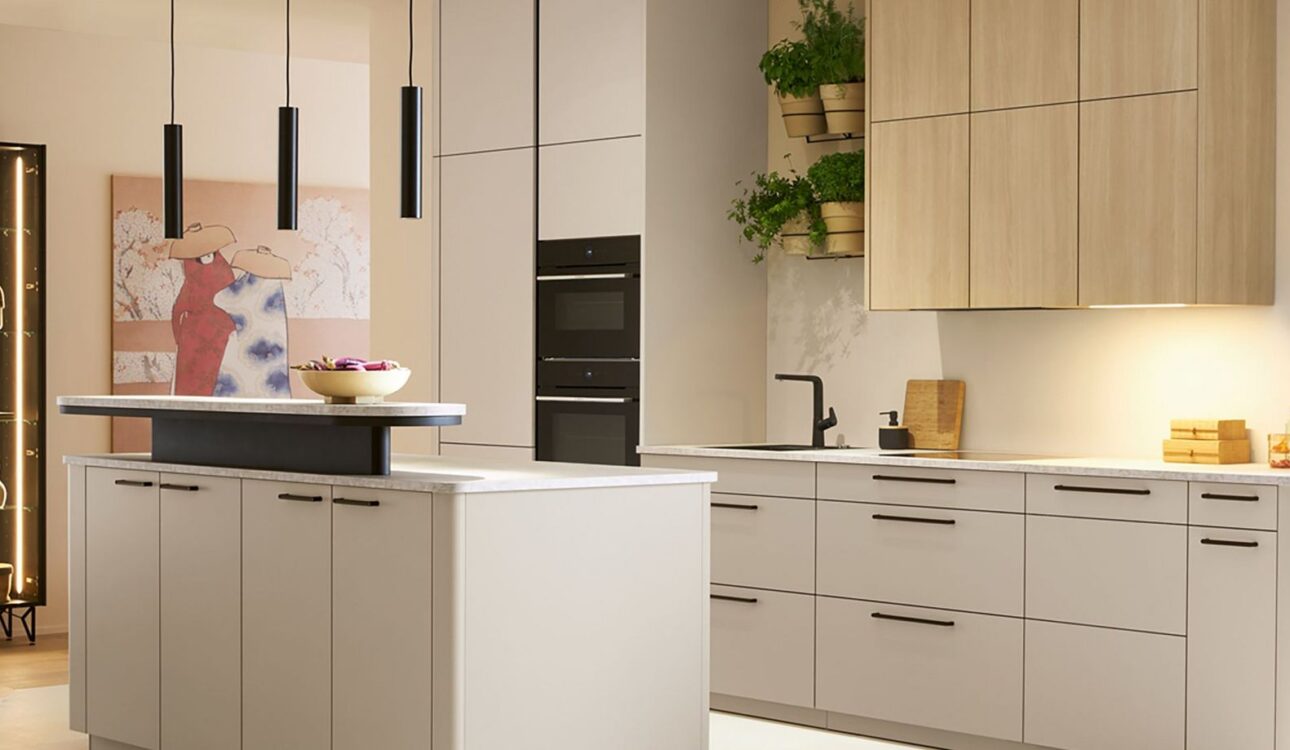
Today’s smart kitchen is not just technological, it is beautifully crafted. Brands like Schüller, Next125, and other premium German kitchen manufacturers are leading the movement by merging intelligent features with sophisticated design.
Design-driven Smart Innovations:
Handle-less cabinets with electronic push-to-open mechanisms.
Integrated charging docks for phones, tablets, and even smart appliances.
Lighting systems that elevate mood and improve visibility.
Modular layouts that adapt to changing lifestyle needs.
Smart design ensures that technology enhances not interrupts the elegance of the kitchen.
7. The Future: AI & Predictive Cooking
AI is becoming a central part of the kitchen ecosystem. Future smart kitchens will:
Recommend weekly meal plans based on your health goals.
Track your nutrition automatically.
Offer AI-guided cooking assistance with step-by-step AR instructions.
Sync with fitness apps to customise dietary plans.
This creates an ecosystem where your kitchen supports wellness, efficiency, and comfort like never before.
Conclusion
Technology is reshaping the kitchen into a space that is smarter, safer, and more efficient. Whether it’s intuitive appliances, seamless connectivity, or innovative design, smart kitchens are redefining the way we interact with food and home. They go beyond convenience, they offer a holistic lifestyle upgrade.
As technology continues to evolve, the kitchen will remain at the forefront of innovation, blending craftsmanship with intelligence to create spaces that truly elevate everyday living.