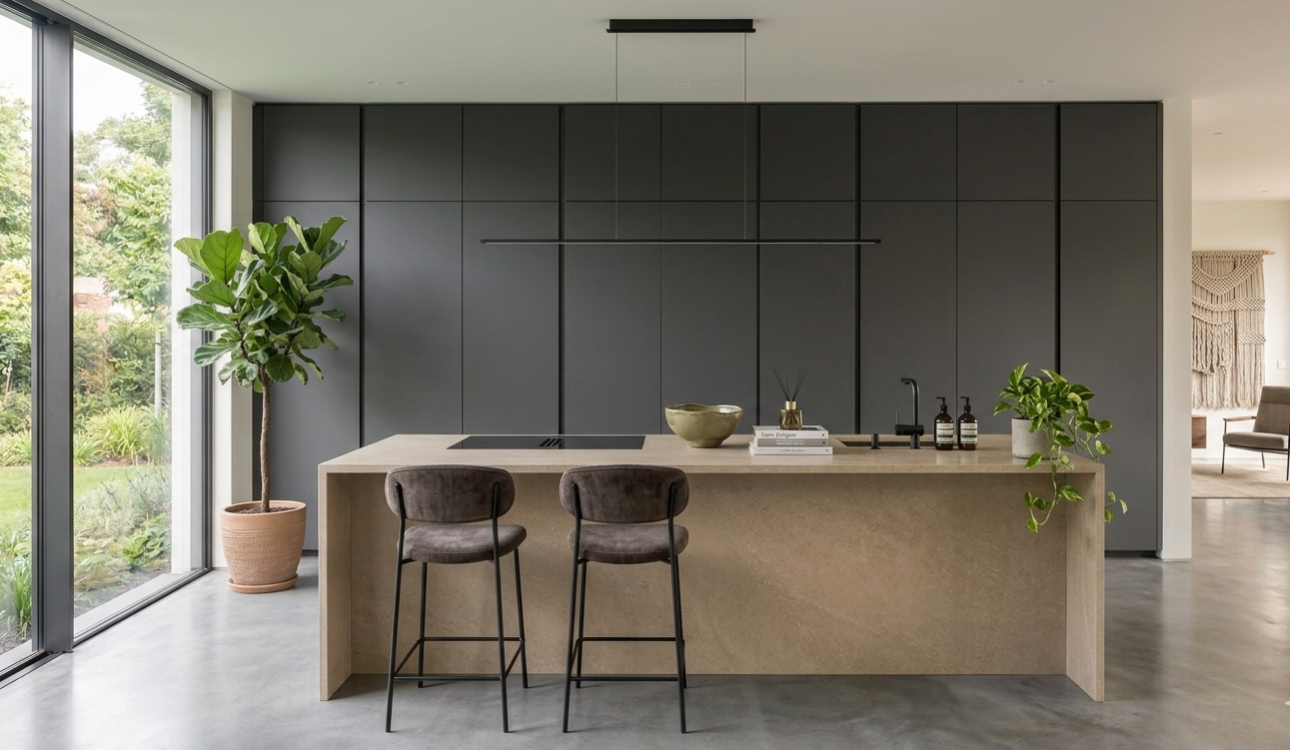
Remember the classic kitchen layout? Bulky appliances screaming for attention, open shelving overflowing with plates and spices, and handles poking out everywhere? Well, move over, clunky practicality. The design world is embracing a sleek, sophisticated trend: the ‘Invisible Kitchen’.
Forget the kitchen as a designated workspace; the invisible kitchen aims to blend seamlessly into the surrounding living areas. Think minimal clutter, hidden technology, and a clean aesthetic that transforms the hub of your home into a sophisticated space that feels intentional, not industrial.
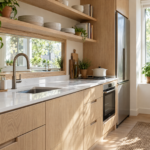
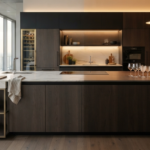
So, what exactly is an invisible kitchen? Essentially, it’s a kitchen designed to mimic furniture, minimizing visual noise and allowing the architecture and overall space to take center stage. Imagine smooth, uninterrupted cabinet fronts that look more like elegant cabinetry than storage units. Think appliances that tuck away behind panels, or integration that makes them feel like natural extensions of the walls. Picture a minimalist countertop free of small appliances and spice racks, creating an open and airy feel.
Why is the Invisible Kitchen Trending?
There are several factors driving this design shift:
The Rise of the Open-Plan Layout: As living and dining areas become more integrated, the traditional kitchen can feel disruptive. The invisible kitchen allows the entire space to feel connected and cohesive, perfect for open-plan living.
The Minimalism Movement: The desire for simpler, cleaner aesthetics is stronger than ever. The invisible kitchen caters to this movement by eliminating visual clutter and creating a sense of calm and order.
Technological Advancements: Appliance technology is constantly evolving, and designers are embracing innovations that allow appliances to be more discreet. Hidden range hoods, integrated refrigerators, and even induction cooktops that vanish into the countertop are making the invisible kitchen more achievable.
The Rise of Multifunctional Spaces: The kitchen is no longer just for cooking. It’s now a place for entertaining, socializing, and working. The invisible kitchen accommodates this shift by allowing the space to transform from functional workspace to elegant living area effortlessly.
How to Achieve the Invisible Kitchen Look:
Handleless Cabinets: Say goodbye to protruding knobs and pulls. Handleless cabinets create a smooth, uninterrupted surface that mimics furniture and enhances the minimal aesthetic. Push-to-open mechanisms or recessed finger pulls offer functionality without sacrificing style.
Integrated Appliances: Panel-ready appliances are essential for the invisible kitchen look. Refrigerator fronts, dishwashers, and even microwaves can be concealed behind custom panels that match the cabinetry, making them almost disappear.
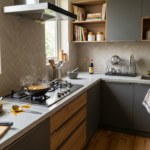
Hidden Range Hoods: Downdraft systems that rise from the countertop or subtle ceiling-integrated hoods are excellent alternatives to bulky, over-the-counter hoods. They provide effective ventilation without sacrificing valuable visual space.
Flush-Mounted Cooktops: Induction cooktops offer a sleek, flat surface that can be set flush with the countertop, creating a seamless and sophisticated look. When not in use, they are almost undetectable.
Built-in Storage Solutions: Hidden pantry cabinets, pull-out spice racks, and smart drawer systems help keep clutter contained and out of sight, maintaining the minimalist feel.
Beyond the Visuals:
The invisible kitchen is about more than just aesthetics. It’s also about functionality and ergonomics. Carefully considered lighting, easy-to-clean materials, and smart storage solutions are key to making this design style practical and efficient.
Is the Invisible Kitchen Right for You?
The invisible kitchen is not a one-size-fits-all solution. It requires careful planning and consideration of your lifestyle and needs.
Consider your cooking style: If you’re a serious home chef with a lot of heavy-duty equipment, you may need a more practical approach.
Evaluate your storage needs: While built-in storage solutions can maximize space, if you have a vast collection of cookware and kitchen gadgets, you might struggle to keep it all hidden.
Think about maintenance: The sleek surfaces of an invisible kitchen require meticulous cleaning to maintain their pristine appearance.